Driveway Resurfacing for Suitable Existing Asphalt
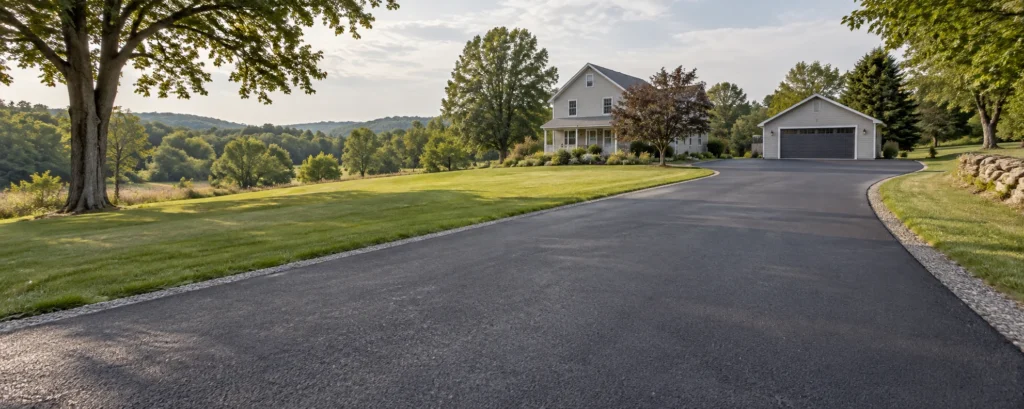
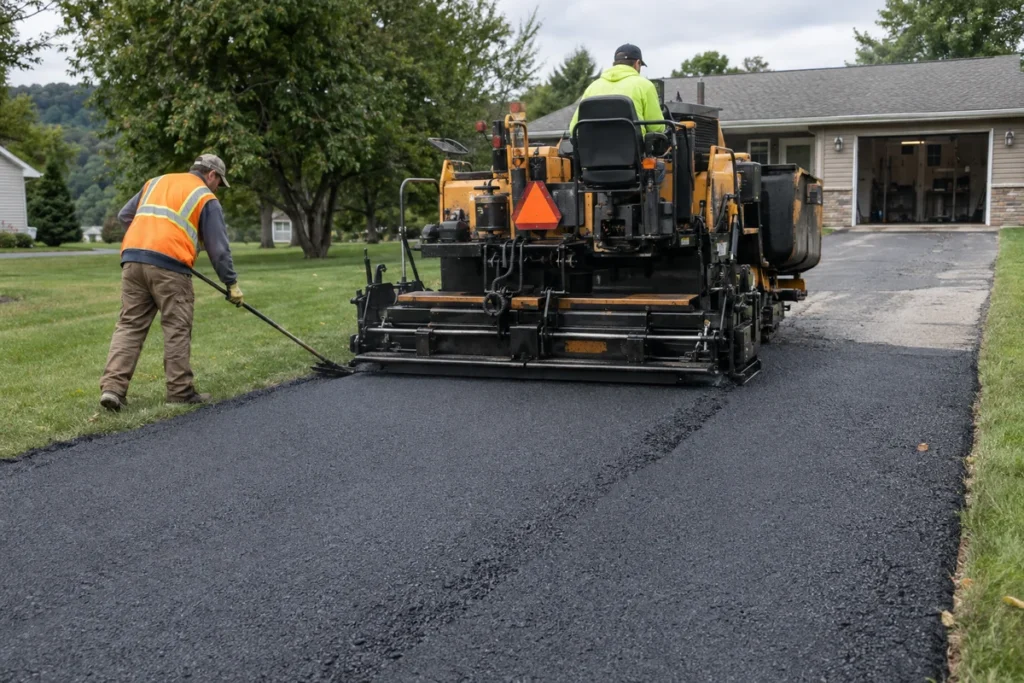
A worn driveway may still have usable pavement underneath its deteriorated surface. P2 Paving provides asphalt driveway resurfacing, adding a new layer where the existing driveway is suitable to retain. It can be an option when you want to renew the driving surface without removing the entire pavement structure.
The decision starts with condition. Stable support, the extent of cracking, drainage, and the height available at adjoining surfaces all matter. A driveway that has widespread structural failure needs a different approach from one with surface wear over a sound base.
When an Overlay Makes Sense
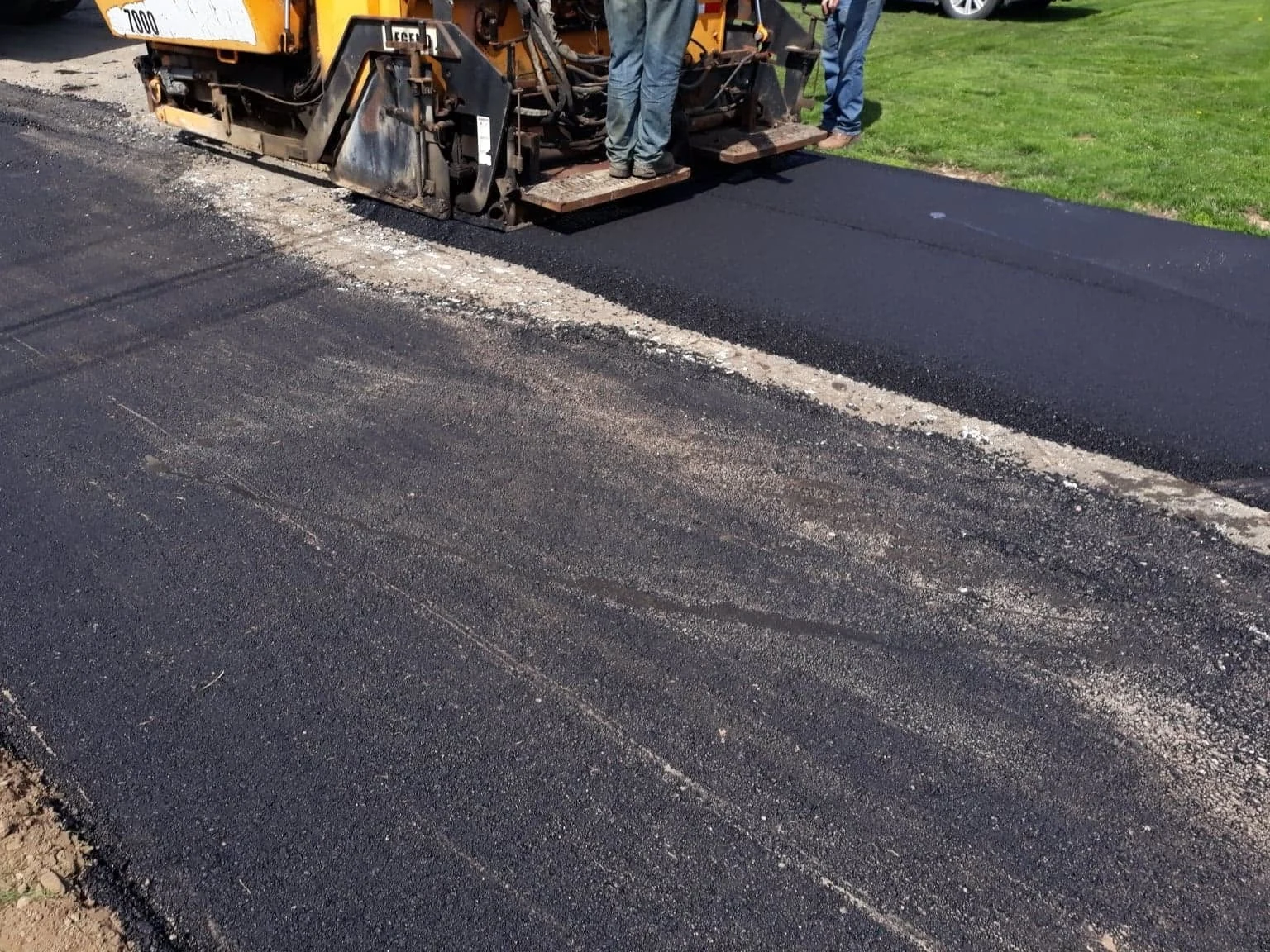
Resurfacing is most relevant when the existing pavement can support a new asphalt layer after appropriate preparation. Isolated damaged sections may need attention first. The aim is to provide a useful new wearing surface while retaining material that can still perform.
Extensive connected cracking, repeated sinking, or loose and unstable areas can indicate problems that a new layer will not resolve. In those situations, driveway replacement may be more suitable. If the concern is limited to a few damaged spots, targeted asphalt repair may be enough without resurfacing the full driveway.
Preparation and Finished Height Matter
Before an overlay is placed, the existing surface needs to be prepared and damaged areas addressed as the project requires. Covering weak spots without correcting them can allow deterioration to reappear in the new surface. Existing cracks can also reflect through an overlay, which is why the condition of the driveway matters more than a promise of a permanently crack-free finish.
Adding asphalt changes the finished elevation. Garage thresholds, road connections, walkways, and drainage paths need to be considered together. Where there is limited clearance or a difficult transition, the scope may require additional preparation rather than simply adding the same layer everywhere.
Understand What Resurfacing Changes
An asphalt overlay creates a new pavement layer. It is different from sealcoating, which applies a protective surface coating, and from spot repairs, which address individual damaged areas. Choosing among them depends on what is failing and how much of the driveway is affected.
The driveway’s area, preparation needs, any local repairs, and transitions affect the cost. When comparing an overlay with replacement, look at how each proposal handles existing defects and drainage. Retaining suitable pavement can reduce removal work, but it should not leave an unresolved problem underneath the new surface.
Find Out Whether Your Driveway Is a Candidate
Tell P2 Paving about the driveway through our estimate request form. Include its location, previous paving or repair history if known, and photos of cracks, settled areas, or water collection. You do not need to decide between resurfacing and replacement before getting in touch.